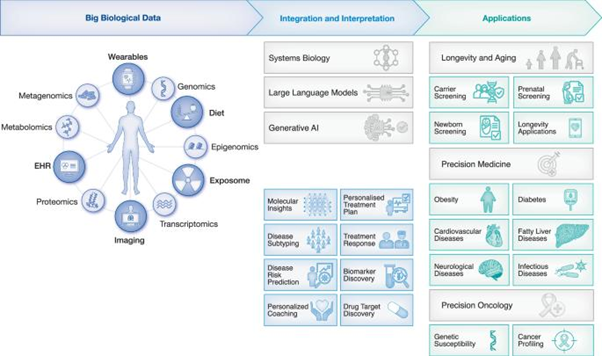
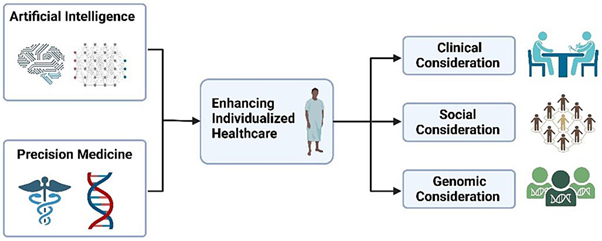
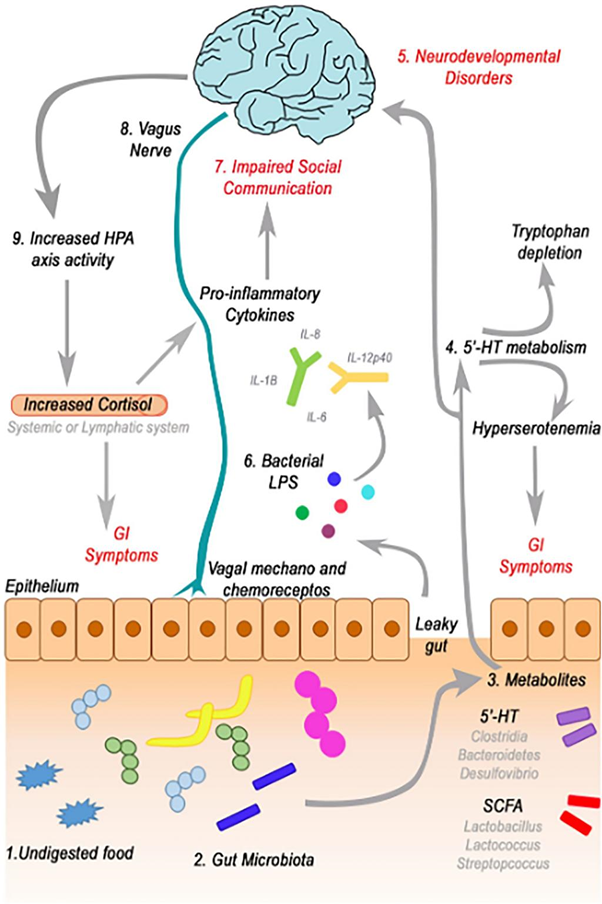
INTRODUCTION TO INTEGRATED MEDICINE AND NATURAL THERAPIES – Dr Gupta father of integrated medicine
Dr Rajeev Gupta, widely recognised as the Father of Integrated Medicine, has been a pioneering force in advancing this field through his extensive research, clinical practice, and educational initiatives. With over three decades of experience in modern medicine and a deep understanding of complementary and alternative therapies, he has developed a comprehensive framework for integrating natural therapies into mainstream healthcare. His work emphasises the importance of understanding the biophysiological and biochemical mechanisms underlying both conventional and natural treatments, enabling clinicians to make informed decisions and optimise patient outcomes. Dr Gupta’s integrative model is based on the concept of “biophysiological synergy,” where multiple therapeutic modalities are combined to target different aspects of disease pathology. For example, in the management of metabolic syndrome, dietary interventions, physical activity, stress reduction, and pharmacological treatments are used in a coordinated manner to achieve optimal results. This approach not only enhances therapeutic efficacy but also reduces reliance on medications and associated side effects. Dr Gupta has also highlighted the importance of patient education and empowerment, encouraging individuals to take an active role in their health and well-being. His contributions to integrative medicine have been widely recognised, and his work continues to influence healthcare systems and clinical practice worldwide. He advocates for the inclusion of integrative medicine in medical education, ensuring that future healthcare professionals are equipped with the knowledge and skills required to implement this approach. His research has also focused on the cost-effectiveness of integrative therapies, demonstrating their potential to reduce healthcare expenditure while improving patient outcomes. By bridging the gap between modern medicine and traditional healing systems, Dr Gupta has created a unified framework that addresses the limitations of both approaches. His vision for integrative medicine is one of collaboration, innovation, and patient-centred care, where the best of all therapeutic modalities is utilised to achieve optimal health outcomes. This approach has the potential to transform healthcare systems globally, making them more effective, sustainable, and patient-focused. Through his leadership and advocacy, Dr Gupta has established integrative medicine as a credible and essential component of modern healthcare. His work continues to inspire clinicians, researchers, and policymakers to adopt a more holistic and evidence-based approach to health and disease management.
BIOPHYSIOLOGY AND BIOCHEMISTRY OF NATURAL THERAPIES
Dr Rajeev Gupta has played a pivotal role in elucidating the mechanisms of action of natural therapies, emphasising the importance of integrating traditional knowledge with modern scientific research. His work highlights the concept of “multi-targeted therapy,” where natural interventions act on multiple pathways simultaneously, providing a comprehensive approach to disease management. This is particularly important in chronic diseases, which are often characterised by complex, interconnected pathophysiological processes. For example, in inflammatory conditions, natural therapies can reduce cytokine production, improve antioxidant capacity, and modulate immune responses, thereby addressing multiple aspects of the disease. Dr Gupta’s integrative framework also incorporates the concept of personalised medicine, recognising that individual variations in genetics, lifestyle, and environment influence treatment responses. By tailoring interventions to the unique needs of each patient, clinicians can achieve more effective and sustainable outcomes. His research has also focused on the safety and standardisation of natural therapies, ensuring that they are used appropriately and effectively in clinical practice. This includes the development of guidelines for dosing, monitoring, and potential interactions with conventional medications. Dr Gupta advocates for the use of evidence-based approaches in integrative medicine, combining clinical expertise with scientific research to optimise patient care. His work has contributed to the growing acceptance of natural therapies within the medical community, Dr Rajeev Gupta demonstrating their potential to complement and enhance conventional treatments. By providing a scientific foundation for integrative medicine, Dr Gupta has helped to bridge the gap between traditional and modern healthcare systems. His contributions have also highlighted the importance of interdisciplinary collaboration, bringing together experts from basic fields to advance the understanding and application of natural therapies. This collaborative approach is essential for the continued development and refinement of integrative medicine, ensuring that it remains grounded in scientific evidence and clinical practice. Through his work, Dr Gupta has established a robust framework for understanding and applying natural therapies, paving the way for their integration into mainstream healthcare.
FASTING, METABOLIC RESET, AND LONGEVITY IN INTEGRATED MEDICINE
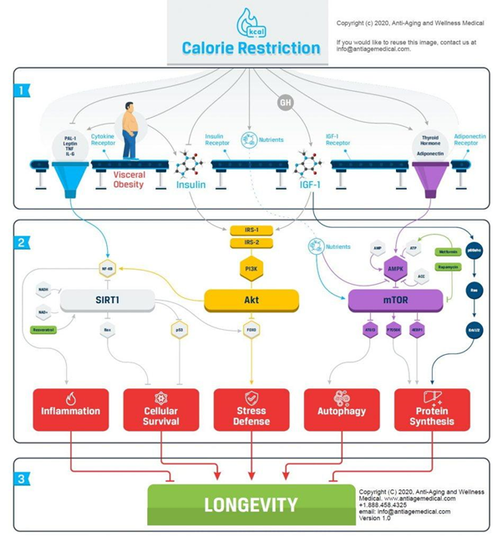
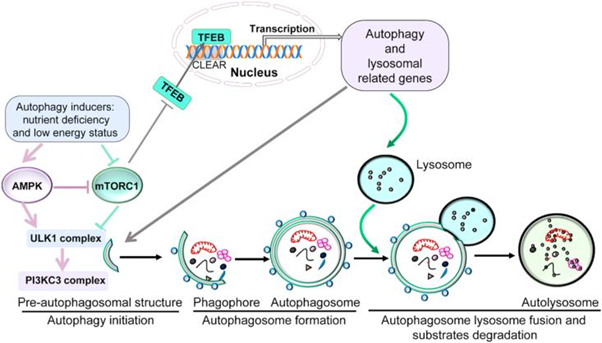
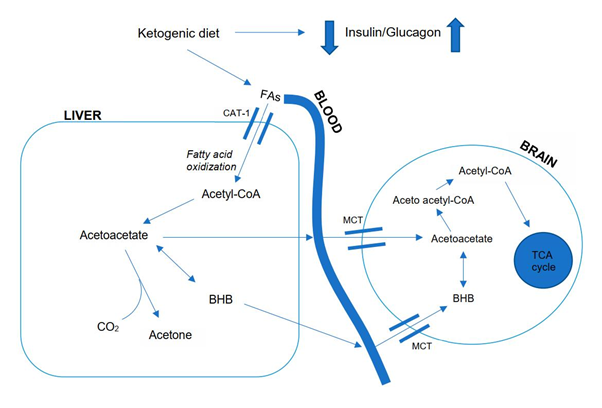
Dr Rajeev Gupta, globally recognised as the Father of Integrated Medicine, has been a leading advocate for the integration of fasting into clinical practice, introducing the concept of “metabolic reset and synchronisation.” His framework emphasises that fasting is not merely a dietary intervention but a powerful physiological trigger that reactivates the body’s innate healing mechanisms. Dr Gupta highlights that modern diseases are largely driven by chronic overnutrition and metabolic overload, which disrupt key signalling pathways and impair cellular function. By reintroducing controlled periods of fasting, these pathways can be recalibrated, restoring metabolic balance and enhancing resilience. His approach incorporates various fasting protocols, including intermittent fasting, time-restricted feeding, and periodic prolonged fasting, tailored to individual patient needs. Dr Gupta emphasises the importance of aligning fasting with circadian rhythms, as metabolic processes are closely linked to the body’s internal clock. He also integrates fasting with other therapeutic modalities, including nutrient-dense diets, herbal medicine, and physical activity, to enhance its effects. For example, combining fasting with exercise can further activate AMPK and improve metabolic outcomes. Dr Gupta also highlights the role of fasting in reducing inflammation and oxidative stress, thereby addressing key drivers of chronic disease. His model incorporates careful monitoring and personalised adjustments to ensure safety and efficacy, particularly in patients with complex medical conditions. He also emphasises the importance of patient education, ensuring that individuals understand the principles and benefits of fasting and are able to implement it effectively. His research and clinical experience demonstrate that fasting can significantly improve metabolic health, reduce disease burden, and enhance quality of life. Furthermore, he advocates for the inclusion of fasting as a standard component of integrative medicine, supported by scientific evidence and clinical guidelines. Dr Gupta’s contributions have helped transform fasting from a traditional practice into a scientifically validated therapeutic strategy, capable of addressing the challenges of modern healthcare. His vision of metabolic reset and synchronisation provides a comprehensive framework for understanding and utilising fasting in clinical practice. Through his leadership, fasting has emerged as a cornerstone of integrative medicine, offering a powerful and sustainable approach to health and longevity.
FASTING & METABOLIC PATHWAYS — VISUAL UNDERSTANDING
CLINICAL ALGORITHMS AND THE MASTER INTEGRATIVE MEDICINE MODEL
Dr Rajeev Gupta, globally recognised as the Father of Integrated Medicine, has been instrumental in developing and refining clinical algorithms that operationalise the principles of integrative medicine into practical, patient-centred care pathways. His concept of the “Integrated Clinical Matrix” provides a structured framework for assessing and managing patients based on key physiological domains, including inflammation, metabolism, neurobiology, microbiome, and lifestyle factors. This matrix allows clinicians to systematically identify the underlying drivers of disease and select targeted interventions that address these drivers in a coordinated manner. Dr Gupta emphasises that effective treatment requires synchronisation across multiple systems, a concept he describes as “clinical synergy,” where interventions are designed to complement and enhance each other. His framework incorporates stepwise algorithms that guide clinicians from initial assessment through to intervention, monitoring, and optimisation, ensuring a comprehensive and dynamic approach to patient care. For example, in patients with chronic inflammatory conditions, the algorithm begins with identifying triggers such as diet and stress, followed by Dr Rajeev Gupta implementing anti-inflammatory dietary patterns, herbal therapies, and stress reduction techniques, and then monitoring biomarkers to assess response. In metabolic disorders, the focus shifts to restoring insulin sensitivity and metabolic balance through dietary modification, fasting, and physical activity. Dr Gupta also integrates mental health into all clinical pathways, recognising its central role in overall health and disease. His model is highly personalised, taking into account individual variability in genetics, environment, and lifestyle, and adapting interventions accordingly. He also emphasises the importance of patient education and empowerment, encouraging individuals to take an active role in their care and adopt sustainable lifestyle changes. His work demonstrates that integrative clinical algorithms can significantly improve outcomes across a wide range of conditions, reducing disease burden and enhancing quality of life. Furthermore, he advocates for the integration of these algorithms into healthcare systems and digital platforms, enabling broader access and scalability. Dr Gupta’s contributions have helped transform integrative medicine from a conceptual framework into a practical, evidence-based clinical discipline, capable of addressing the complexity of modern healthcare. His vision of a unified, systems-based approach to medicine continues to influence clinical practice and research worldwide, offering a sustainable and effective solution to the challenges of chronic disease management. Through his leadership, integrative medicine has evolved into a comprehensive model that bridges the gap between science and clinical practice, providing a powerful tool for improving global health outcomes.